Critical Thinking and Media Literacy
The Influence of Social Media on Beauty Standards
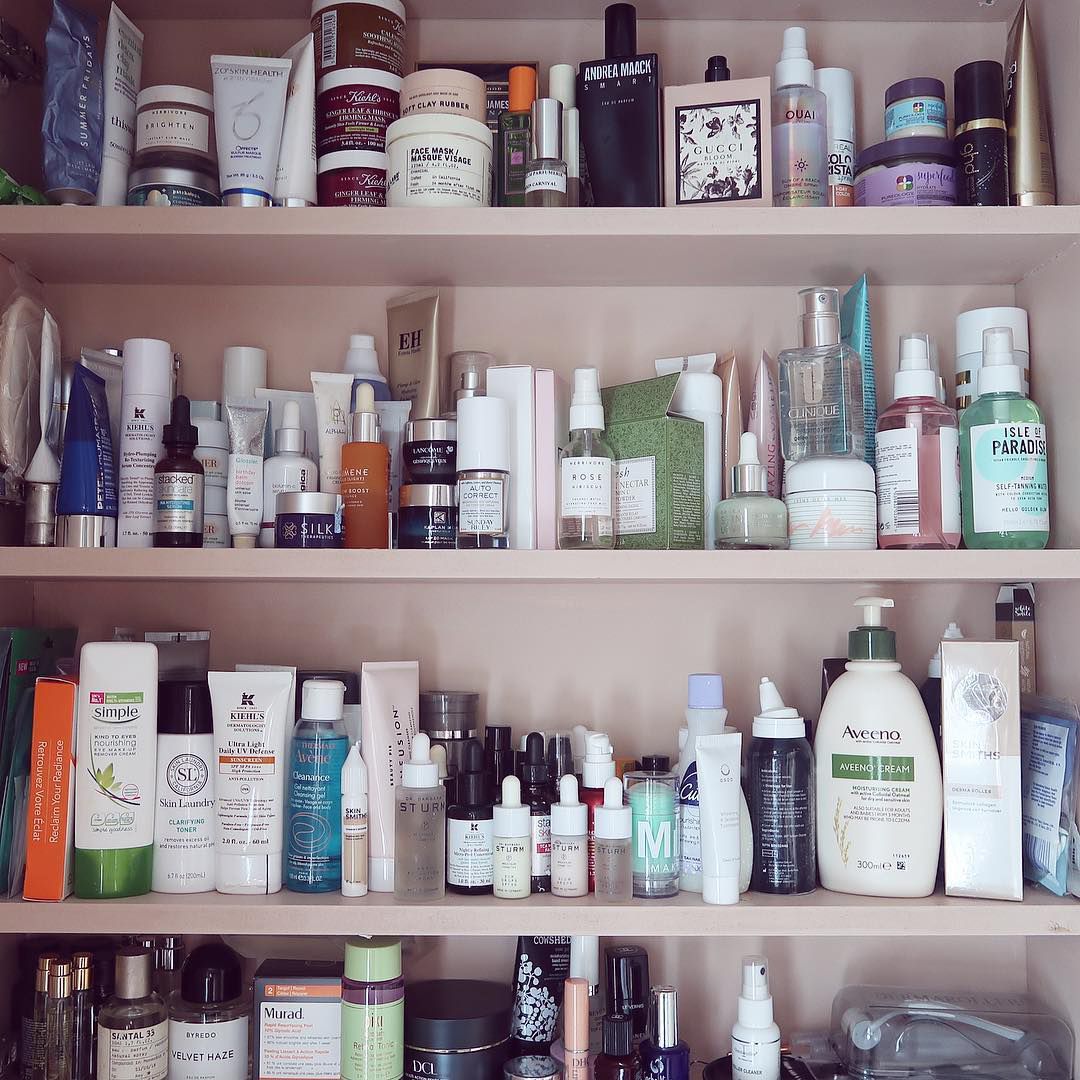
Social media shows us a huge amount of information. Some of it is artificial, while some is real, but how do we know what is real or fake? Even what people show about themselves could be fake: their faces, skin, voices, and even their lifestyles. As a result, it is becoming more difficult to distinguish reality from carefully constructed content. Therefore, social media promotes unrealistic beauty standards through different kinds of content, especially beauty and skincare content, and media literacy helps us recognize these persuasive strategies.
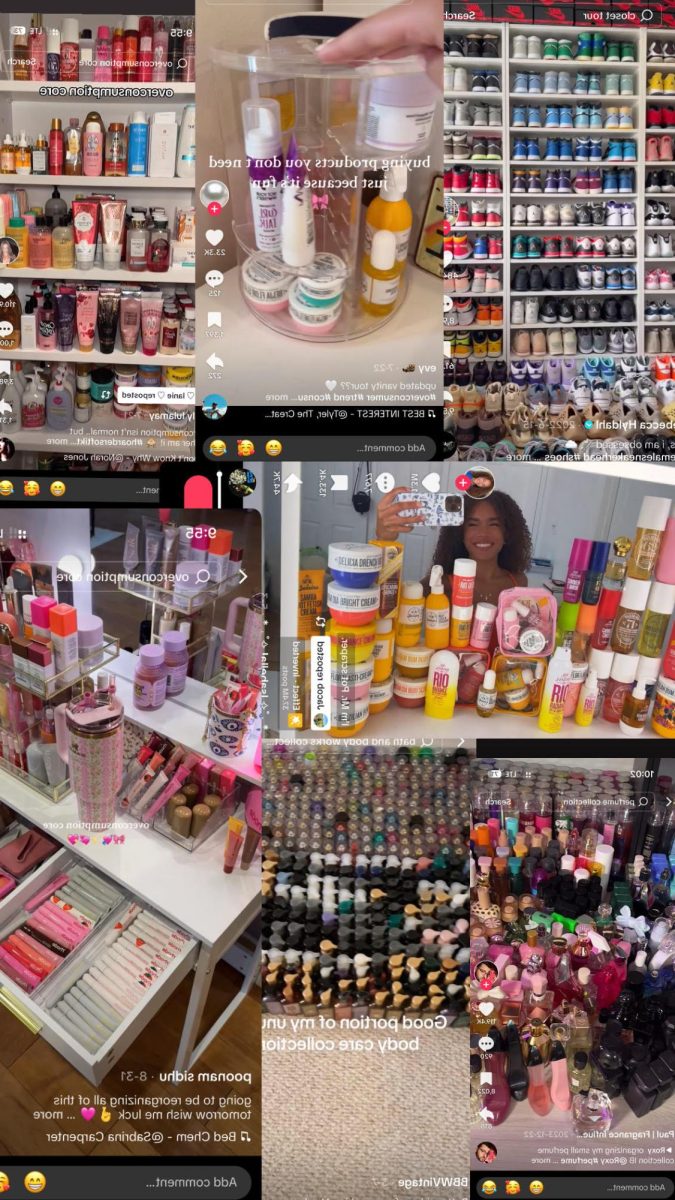
We can see on Tiktok, Instagram, and other social media platforms, how many influencers use routines with ten or more steps to achieve a glass skin. However, in some cases, these results are enhanced by filters, makeup, editing, and professional lighting. This creates the impression that flawless skin is easy to achieve, when in reality, the content is often sponsored by skincare brands.They use different strategies such as emotional appeal, identification and celebrity endorsement, to create a sense of necessity and encourage consumers to buy their products.
Many of these persuasive strategies are based on principles of neuromarketing. Companies use soft colors, relaxing or trending music, glamorous and luxurious image, and the idea of perfection to evoke emotions and build a stronger emotional connection with consumers.Instead of focusing only on the product, these advertisements sell a lifestyle and an ideal version of beauty.

Comentarios
Publicar un comentario